

Introduction
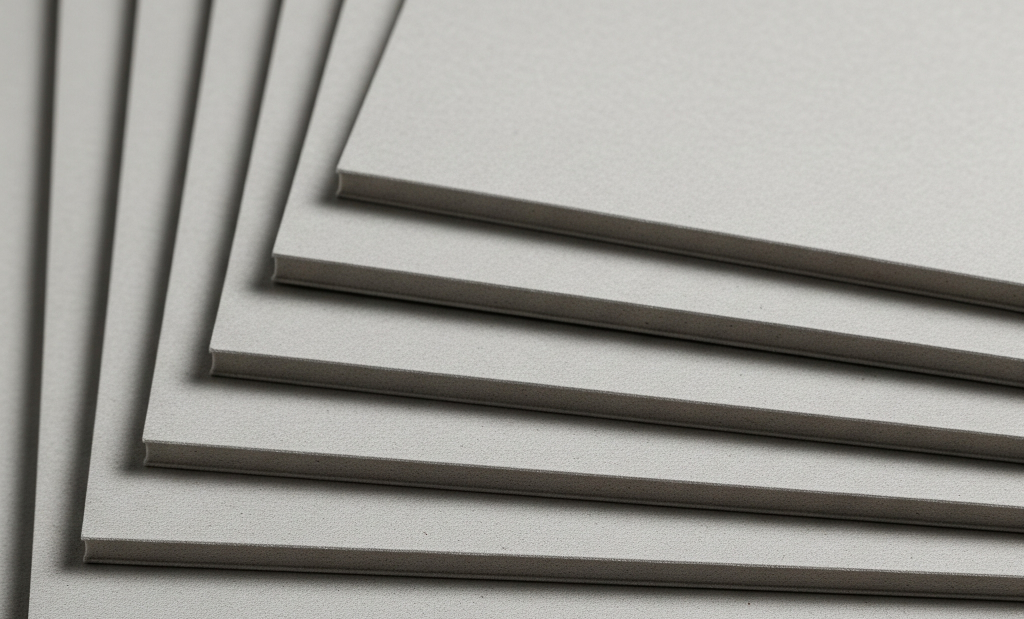
In today’s world of sustainable practices and responsible manufacturing, businesses across industries are increasingly turning to eco-friendly materials. Among these, Recycled Board has become a preferred choice due to its durability, versatility, and reduced environmental impact. It is widely used in packaging, publishing, and retail displays, offering an excellent alternative to virgin fiber boards. Moreover, variations like Grey Board have gained popularity for both functional and aesthetic applications.
This article explores the best industries that benefit from Recycled Board products, their applications, advantages, and why companies are embracing them as part of their sustainability strategies.
What Makes Recycled Board So Valuable?
Recycled Board is manufactured by reprocessing waste paper fibers into sturdy board materials. This not only minimizes waste but also lowers the demand for virgin pulp, helping conserve natural resources. Businesses prefer it because:
- It reduces environmental footprint.
- Offers competitive strength and durability.
- Provides cost advantages over non-recycled alternatives.
- Comes in different finishes and grades to meet industry-specific needs.
Industries Benefiting from Recycled Board
Packaging Industry
The packaging industry is by far the largest consumer of Recycled Board. With global e-commerce and retail expanding rapidly, businesses require packaging that is durable yet environmentally friendly.
- Applications: Cartons, sleeves, rigid boxes, and protective inserts.
- Benefits: Strong enough for transit packaging while also lightweight, cost-effective, and recyclable.
- Example: Luxury brands often combine Grey Board with specialty coatings for high-end packaging.
Publishing and Printing
The publishing sector relies heavily on boards for covers, backings, and binding purposes. Recycled Board provides the perfect balance of strength and printability, making it ideal for:
- Hardcover books
- Notebooks and diaries
- Report covers
- Educational materials
Its smooth surface allows premium printing and finishing, while Grey Board is often used as a stiff base in hardcover binding.
Office Supplies and Stationery
Corporate and educational markets demand long-lasting office supplies that maintain their appearance despite frequent handling. Recycled Board fits perfectly here.
- Applications: File folders, document covers, desk organizers, and calendars.
- Advantages: Durability, smooth finishes, and eco-friendly credentials make them suitable for professional use.
Food & Beverage Packaging
The food industry is increasingly under pressure to adopt sustainable packaging. Recycled Board offers a viable solution for secondary packaging (not direct contact with food but used for outer layers).
- Applications: Beverage cartons, bakery boxes, pizza boxes, and takeaway packaging.
- Advantages: Provides rigidity, customization options, and aligns with consumer demand for eco-conscious products.
Retail and Point-of-Sale Displays
Retailers use Recycled Board for displays, signage, and promotional materials. These boards can be cut, printed, and shaped into eye-catching retail solutions.
- Benefits: Cost-efficient, versatile, and suitable for branding through high-quality finishes.
- Grey Board in Retail: Often chosen for premium displays because of its durability and aesthetic appeal when laminated.
Key Advantages of Using Recycled Board
Eco-Friendly and Sustainable
One of the biggest advantages of using this material is its eco-friendly nature. By reducing reliance on virgin pulp, businesses can significantly cut down on deforestation and energy usage during the production process. This makes it not only an environmentally responsible choice but also a strategic one for brands that want to appeal to eco-conscious consumers. Many companies now highlight their use of recycled options in marketing campaigns to strengthen their sustainability image. Frequently asked questions from businesses often include whether these boards carry certifications like FSC or other eco-labels the answer is yes, as many suppliers adhere to strict sustainability guidelines. In this way, companies can ensure their packaging aligns with global sustainability goals while also contributing to waste reduction.
Cost-Effective
In addition to sustainability, another frequently discussed question among bulk buyers is whether recycled materials cost more than virgin ones. In reality, these products are generally more affordable, making them highly attractive for industries with large-scale requirements such as food packaging, publishing, and consumer goods. Businesses benefit from cost savings while still maintaining quality and durability. The affordability also allows brands to reinvest in other areas of product development and marketing without compromising on packaging reliability.
Customization Possibilities
Both recycled and Grey Board products come with impressive customization opportunities. Buyers often ask, “Can we emboss, laminate, or print directly on these boards?” The answer is yes. With options like gloss or matte lamination, embossing for texture, spot UV coating, and a variety of GSM thicknesses, these boards can easily be tailored to meet branding and functional needs. For luxury packaging, Grey Board provides a premium, natural feel that enhances the end product’s appeal. As such, customization transforms these boards from just a packaging material into a branding asset.
Strong and Durable
A common concern for businesses switching to recycled options is whether strength will be compromised compared to virgin pulp products. Modern technology ensures these boards are engineered for durability, rigidity, and long-term use. Whether used for packaging heavy items, publishing hardcover books, or producing stationery, they deliver reliable performance. Another frequent question is about moisture resistance — while standard versions may require protective coatings, many suppliers provide water-resistant or laminated options to address this need. This balance of strength and adaptability is one reason why recycled and Grey Boards are becoming preferred choices across multiple industries.
Factors Businesses Should Consider When Choosing Recycled, Board
- GSM and Thickness: Different applications require different strength levels.
- Surface Finish: Smooth finishes are essential for printing, while rougher ones may suit protective uses.
- Certifications: Look for FSC or ISO certifications to ensure responsible sourcing.
- Supplier Reliability: Timely delivery and customization options are key to successful long-term partnerships.
FAQs
Is this material as strong as virgin board?
Yes, modern manufacturing techniques ensure that recycled options offer similar strength and durability as virgin board. While they may differ slightly in texture, they remain suitable for packaging, publishing, and display needs.
How is Grey Board different from standard recycled material?
Grey Board is a type of virgin board made from waste paper pulp and is characterized by its natural greyish appearance. It is denser and often used in hardcover book binding, premium packaging, and protective applications.
Can businesses customize this material for branding purposes?
Absolutely. It can be laminated, embossed, or printed with logos, colors, and textures, making it a flexible option for businesses aiming to showcase their brand identity.
Is it safe for food packaging?
This material is typically used for secondary food packaging (like outer boxes). For direct food contact, manufacturers often combine it with a protective coating or lining to ensure safety and compliance with regulations.
Conclusion
The demand for Recycled Board products continues to grow across industries due to their balance of strength, cost-effectiveness, and eco-friendly attributes. From packaging and publishing to retail displays and office supplies, these boards provide reliable solutions while supporting sustainability goals.
Businesses exploring long-term packaging or branding strategies should also consider Grey Board as a premium option within the recycled family. By choosing these sustainable alternatives, companies not only reduce environmental impact but also enhance their brand reputation in a market where eco-consciousness is becoming a major differentiator.